A 7-Second Morning Trick With a Common Red Root That Could Sharpen Your Vision Instantly
For centuries, Japanese villagers secretly used this forgotten root to protect their eyes—while the rest of the world went blind without knowing why.
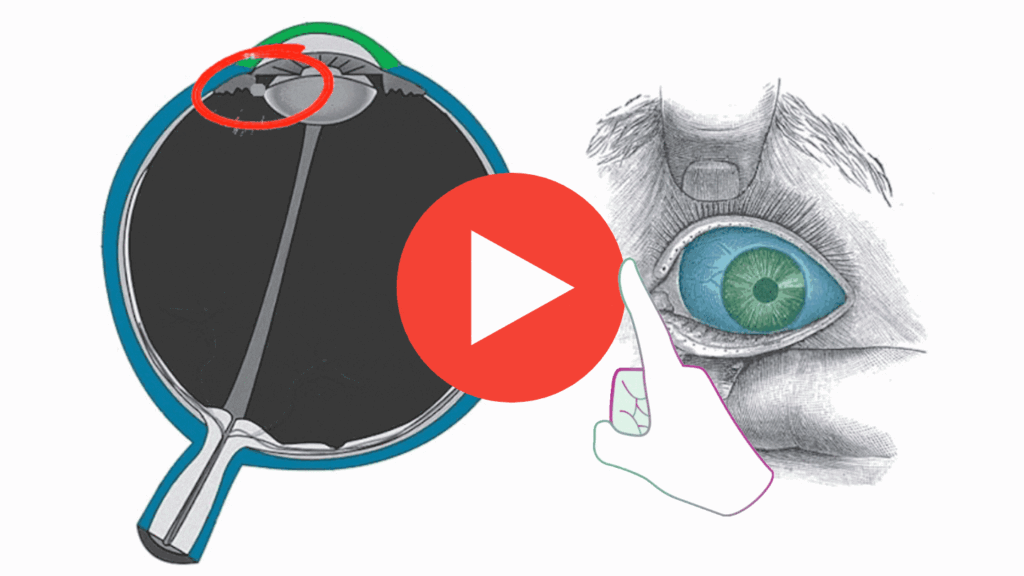
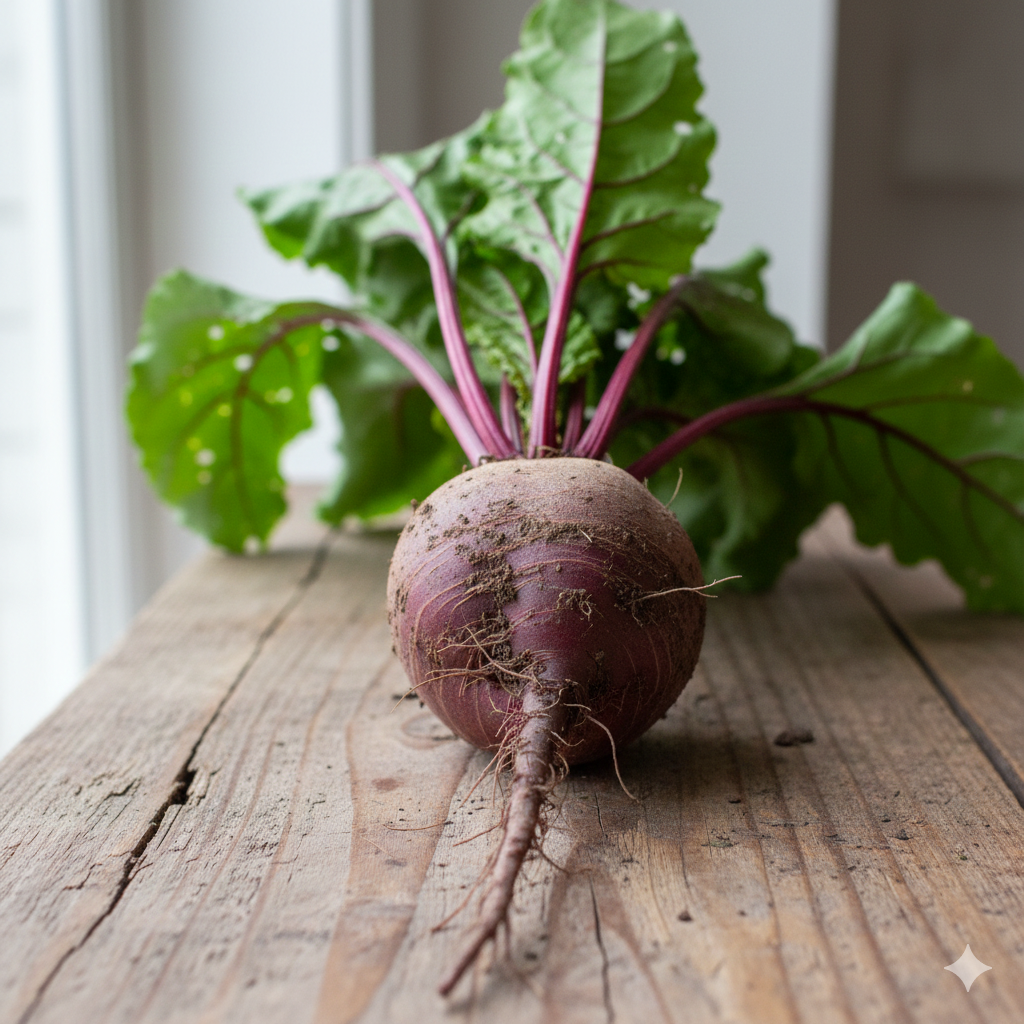
I’ll never forget the day the doctor looked me in the eyes and told me I’d be blind within months. He said it as if it was just a natural part of aging, something I had to “accept.” But how could I accept watching my world fade away? I felt humiliated when I couldn’t read a single verse of the Bible at church. I felt ashamed stumbling in front of others. And nothing terrified me more than the thought of handing over my driver’s license and losing the freedom to go anywhere on my own.
But in the middle of that despair came an unexpected revelation. What was happening to me wasn’t simply “old age” or “bad luck.” It was something hidden… a toxic process silently clogging the tiny vessels in my eyes. A process no glasses, no injections, no surgery could ever truly fix. For the first time, I understood why my vision was collapsing so quickly.
And with that understanding came hope. Real hope. I realized blindness wasn’t inevitable. I could imagine reading again without struggle, recognizing faces without hesitation, and even driving at night with confidence. For the first time in years, I could see a future where my world didn’t fade into darkness, but opened again into light.
If you’ve ever felt afraid of losing your driver’s license because you can’t see clearly on the road—especially at night—you are not alone.
- The anxiety of facing blurred headlights and distorted signs every time you drive
- The shame of sitting in front of the TV and realizing you can’t read the words on the screen
- The frustration of giving up hobbies and routines you once loved because your vision won’t keep up
- The silent fear of pretending you “see fine” while knowing deep down that your sight is slipping away
These emotional battles are real, and they’re shared by millions who silently face the same struggle. It’s not just about vision—it’s about freedom, dignity, and independence slipping out of reach.
And the cruel truth is this: once these fears begin, they don’t fade. They only grow stronger, until one day you’re forced to surrender the very things that made you feel alive—like the independence of driving yourself wherever you want.
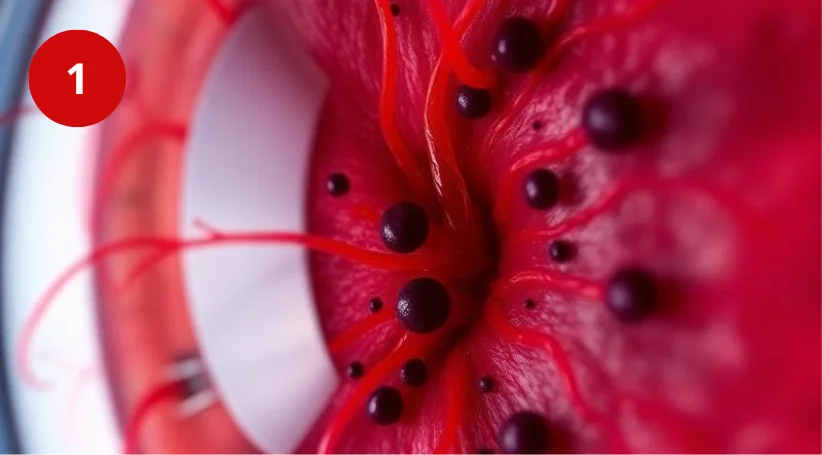
STAGE 1 – CHAOS
Toxic build-up strangles the tiny vessels in the eye.
Vision turns blurry, straight lines look wavy, night driving becomes dangerous.

STAGE 2 – DETOX
After days using the ritual: clogged vessels begin to open, blood flow returns, pressure inside the retina eases, dark spots reduce.

STAGE 3 – REGENERATION
After weeks: oxygen and nutrients flow back to the macula, sight becomes sharper, reading and recognizing faces feel possible again.
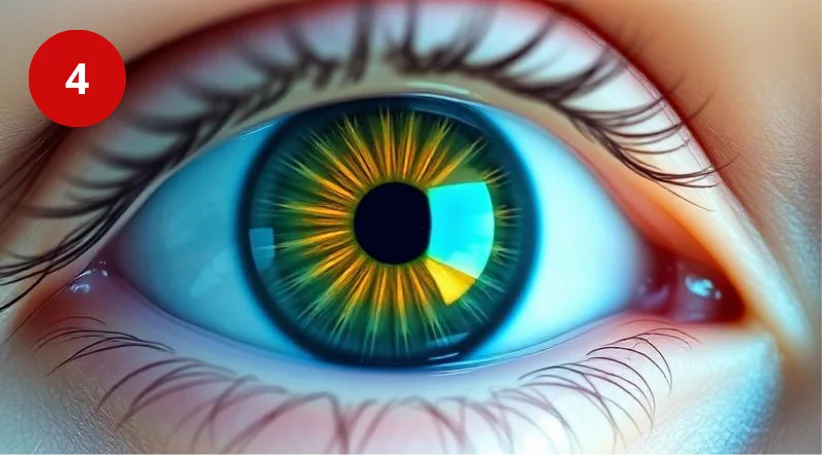
STAGE 4 – CONTROL RESTORED
Vision is stabilized, clarity returns, independence and freedom are restored — without risky surgeries or endless dependence on glasses.
What stage are YOU in right now?
Watch how this simple ritual is helping people protect their vision — before it’s too late.

I’ll never forget the day the doctor looked me in the eyes and told me I’d be blind within months. He said it as if it was just a natural part of aging, something I had to “accept.” But how could I accept watching my world fade away? I felt humiliated when I couldn’t read a single verse of the Bible at church. I felt ashamed stumbling in front of others. And nothing terrified me more than the thought of handing over my driver’s license and losing the freedom to go anywhere on my own.
But in the middle of that despair came an unexpected revelation. What was happening to me wasn’t simply “old age” or “bad luck.” It was something hidden… a toxic process silently clogging the tiny vessels in my eyes. A process no glasses, no injections, no surgery could ever truly fix. For the first time, I understood why my vision was collapsing so quickly.
And with that understanding came hope. Real hope. I realized blindness wasn’t inevitable. I could imagine reading again without struggle, recognizing faces without hesitation, and even driving at night with confidence. For the first time in years, I could see a future where my world didn’t fade into darkness, but opened again into light.
Frequently Asked Questions
Everything you need to know about this natural vision restoration ritual
What exactly is this ritual?
It’s a simple 7-second morning trick based on a forgotten Japanese root. It works by unclogging the tiny blood vessels in your eyes, restoring oxygen and nutrients that your retina needs to see clearly.
How fast can I feel results?
Some people notice reduced blurriness and less eye strain within the first week. For others, it may take a few weeks as the vessels begin to clear and vision gradually sharpens.
Is this safe for older adults?
Yes. This ritual was originally used by elderly villagers in Japan to protect their eyesight naturally. It does not involve surgery, injections, or risky medications.